Is Lisbon Safe for Tourists? Areas, Scams & Night Safety
Is Lisbon safe for tourists? Here is what to know about pickpockets, public transport, nightlife, solo travel and practical safety tips in Lisbon.
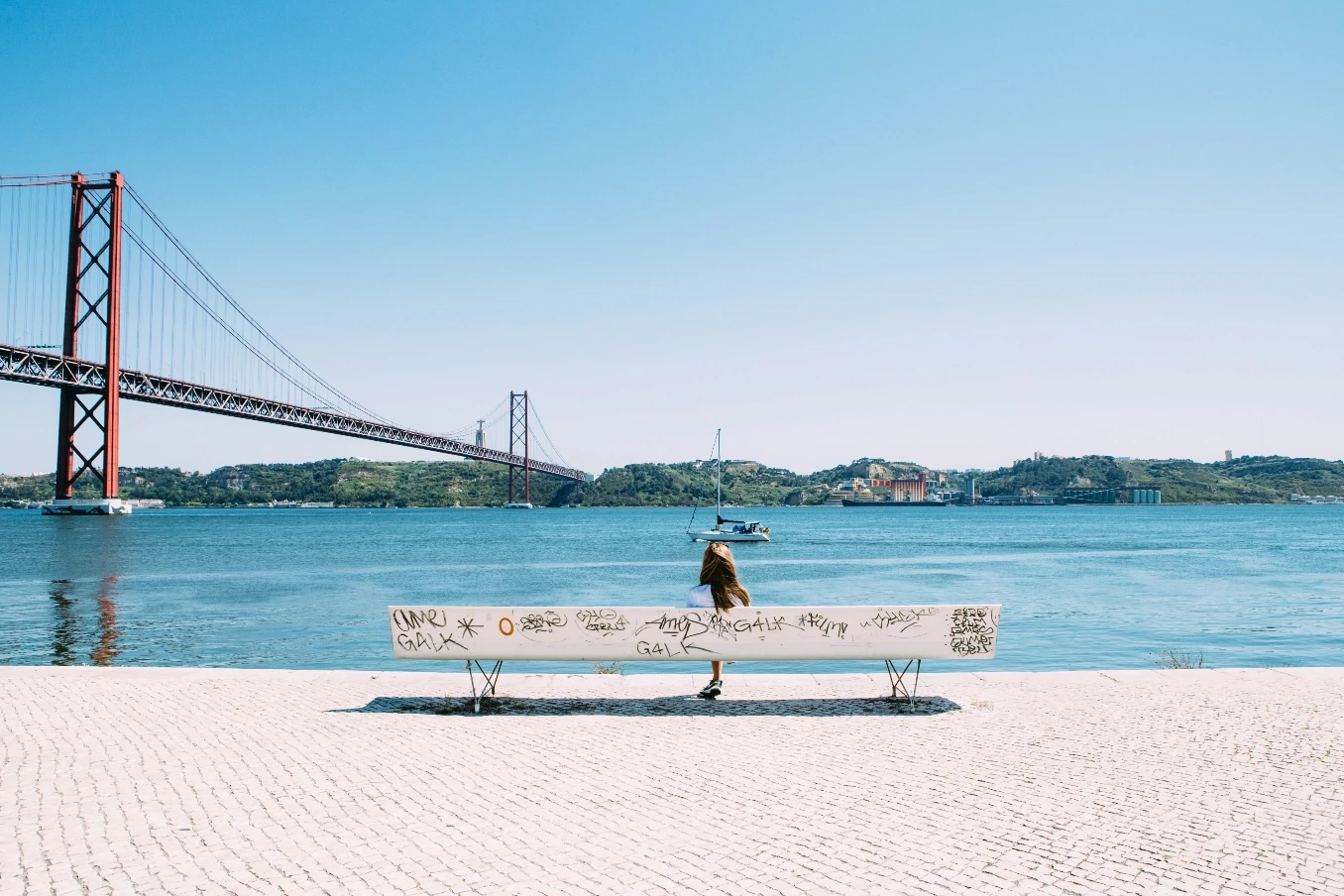
For most travellers, Lisbon feels safe and easy to navigate. Portugal continues to rank among the world’s more peaceful countries, and Lisbon is generally considered a low-risk European capital for visitors. That does not mean you should switch off completely, though. The main issues tourists are more likely to encounter are pickpocketing, bag theft, phone snatching in busy areas, and the usual urban scams or overcharging risks, rather than violent crime.
That makes Lisbon the kind of city where sensible travel habits matter more than serious personal safety concerns. If you stay aware in crowded places, keep your belongings secure, and avoid treating the city as risk-free just because it feels relaxed, you will usually be absolutely fine.
The short answer
Yes, Lisbon is safe for tourists in general. For most visitors, the biggest day-to-day risk is petty theft, especially in crowded public transport, tram queues, busy viewpoints, and heavily visited parts of the historic centre. Portugal’s strong placement in the 2025 Global Peace Index supports the broader picture that the country is relatively safe by international standards, while Lisbon’s own tourism information provides standard emergency guidance rather than unusually strong warnings.
What tourists should actually watch out for
The practical answer is more useful than the reassuring one. In Lisbon, the main things worth thinking about are:
Pickpocketing in crowded areas
This is the most common tourist issue in Lisbon. Crowded trams, buses, metro carriages, transport hubs and popular viewpoints create the kind of environment where distracted visitors are easiest to target. General travel theft guidance consistently recommends keeping valuables out of easy-access pockets and moving backpacks to the front in crowded public transport, which is especially relevant in Lisbon’s tram and metro network.
In practice, that means being most alert in places such as:
busy tram stops
packed metro stations and trains
central tourist corridors
viewpoints at sunset
restaurant terraces where bags are left hanging behind chairs
Taxi or payment-related overcharging
This is not unique to Lisbon, but it is one of the more realistic low-level travel annoyances. Broader tourist scam guidance still applies here: know roughly what you are paying for, check prices where possible, and pay attention when using transport or tourist-heavy services. Ride apps reduce some of that uncertainty because the price is visible in advance.
Late-night judgement rather than late-night danger
Lisbon nightlife areas are busy rather than especially threatening, but the usual city logic still applies. In places like Bairro Alto or Cais do Sodré late at night, the bigger issue is often being distracted, intoxicated or careless with phones, wallets and bags rather than facing a high level of physical danger. That is an inference from the broader safety pattern: petty theft risk rises where crowds, nightlife and tourist concentration overlap.
Is Lisbon safe at night?
In general, yes. Most central areas that visitors spend time in remain busy into the evening, especially Baixa, Chiado, Cais do Sodré and parts of Bairro Alto. That usually makes them feel more comfortable than deserted. The caveat is simple: late at night, particularly if you are alone or unfamiliar with the area, it is smart to avoid poorly lit empty streets and not walk around visibly distracted with your phone out. That is common-sense urban advice rather than a Lisbon-specific alarm.

If you are heading back late, a taxi or ride app is often the easiest option, especially if your accommodation is in a hillier or less direct area such as Alfama or Graça.
Is Lisbon safe for solo female travellers?
For most solo female travellers, Lisbon is generally considered a comfortable city to visit. The same standard precautions apply as in other European capitals: keep an eye on drinks, avoid isolated streets very late at night, and trust your instincts if a situation feels off. The broader evidence does not point to Lisbon as an unusually high-risk destination for this. Instead, the risks line up more with normal city travel issues such as harassment, unwanted attention in nightlife settings, or petty theft.
Is public transport in Lisbon safe?
Yes, Lisbon’s public transport is generally safe to use, and it is one of the easiest ways to move around the city. Metro Lisboa’s guidance focuses on standard ticketing and inspection procedures rather than unusually strong safety warnings, which fits the general picture of an ordinary urban network rather than a high-risk one.
The main safety concern is not the transport itself but crowding, because crowded spaces create more opportunity for theft. That makes it worth being extra careful when:
boarding packed metro carriages
standing near doors
using trams in tourist-heavy areas
carrying phones or wallets in back pockets
wearing a backpack behind you in a busy carriage
Are there any unsafe areas in Lisbon?
For tourists, Lisbon is not usually a city where trip planning hinges on “no-go” districts. The more useful distinction is between areas that are convenient and busy versus areas that are quiet, poorly lit or simply impractical late at night if you do not know them well. For most visitors, the centre and the main sightseeing neighbourhoods are manageable. Problems are more likely to come from distraction or poor judgement than from being in the “wrong” district.
Practical safety tips for Lisbon
A few habits make a noticeable difference:
Keep your phone and wallet out of back pockets in crowded places. This matters most on trams, buses, in the metro and around major viewpoints.
Move your backpack to the front on crowded public transport. It reduces both theft risk and general crowding issues.
Do not leave bags hanging behind your chair on a terrace or café table edge where you cannot feel them.
Use ride apps or clearly marked taxis if you are returning late and want the simplest route home.
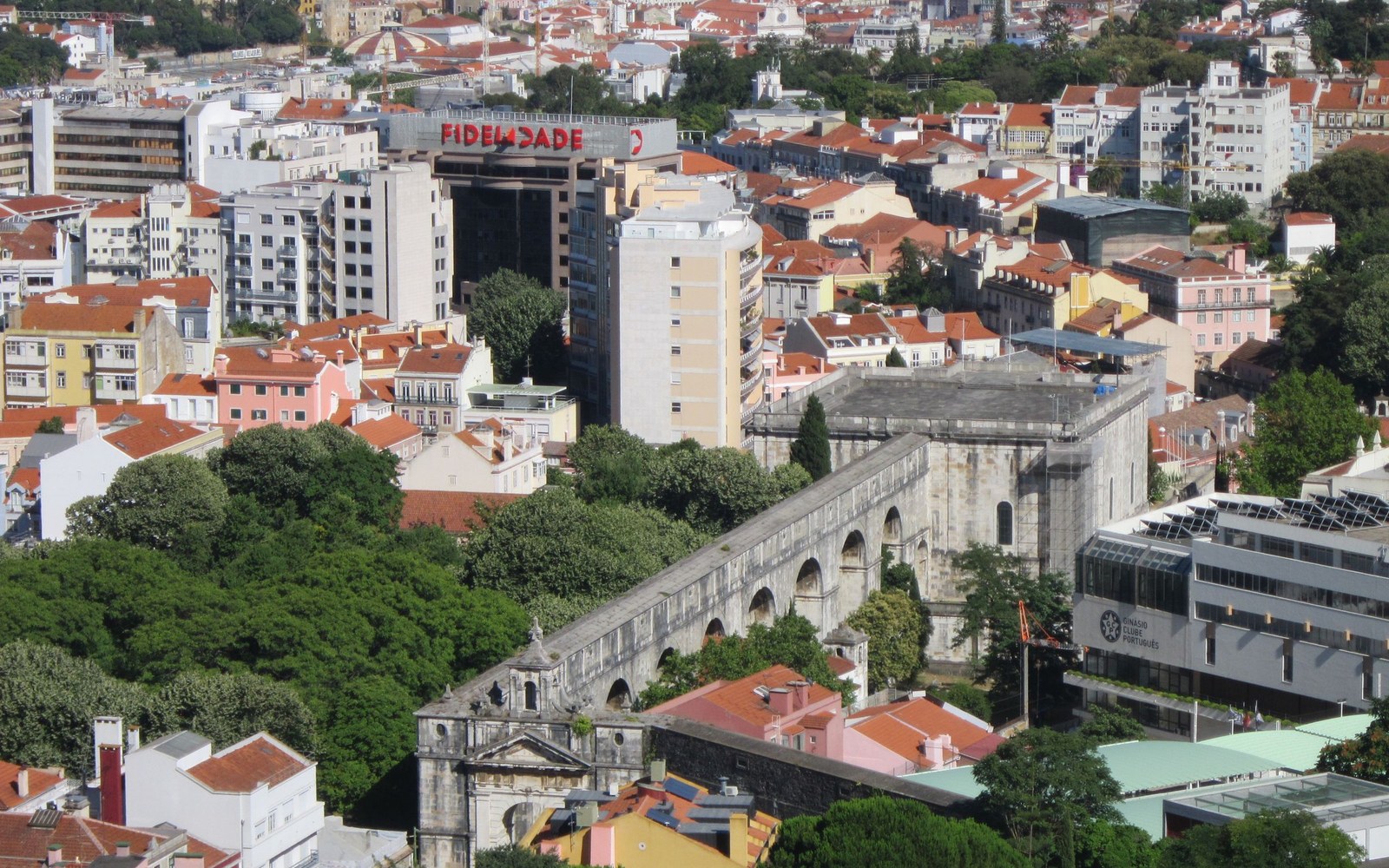
Know the emergency number: 112. Lisbon’s official traveller information page lists this as Portugal’s national emergency number.
What to do if something goes wrong
If you lose a wallet, phone or documents, act quickly. Cancel cards, secure your accounts, and contact local police if you need a report for insurance or replacement documents. For emergencies in Portugal, call 112. Lisbon’s official visitor information also lists tourism contact details that can help with practical orientation.
Final thoughts
Lisbon is safe enough that most travellers spend more time enjoying the city than thinking about safety. That is usually a good sign. The right mindset is not anxiety, just awareness. Treat it like a relaxed European capital with the usual tourist-city weak points, especially around crowds and valuables, and you will probably find it easy to move around with confidence.
FAQ
1. Is Lisbon safe for tourists?
Yes, Lisbon is generally safe for tourists. The most common issues are petty theft and pickpocketing in crowded areas rather than violent crime.
2. Is Lisbon safe at night?
In general, yes. Central areas are usually busy and manageable, but standard late-night precautions still apply, especially if you are alone or distracted.
3. Is public transport in Lisbon safe?
Yes. Lisbon’s public transport is generally safe, with the main risk being pickpocketing in crowded carriages, stations and tram routes.
4. What is the biggest safety risk for tourists in Lisbon?
For most visitors, the biggest realistic risk is petty theft, especially pickpocketing in crowded tourist and transport areas.
5. What emergency number should tourists use in Lisbon?
In Portugal, the national emergency number is 112.
Continue planning with our guide to How many days in Lisbon? and Navegante card Lisbon.

Rafael Rocha
The Author
Having lived and studied in Lisbon for many years, a deep connection to the city grew naturally over time. Here I share practical guides and local recommendations to help you experience Lisbon better.
Buy me a coffee