What to see in Alfama: a local guide to Lisbon
Discover what to see in Alfama, Lisbon’s oldest neighbourhood, from viewpoints and historic churches to the castle, fado culture and local streets worth exploring.
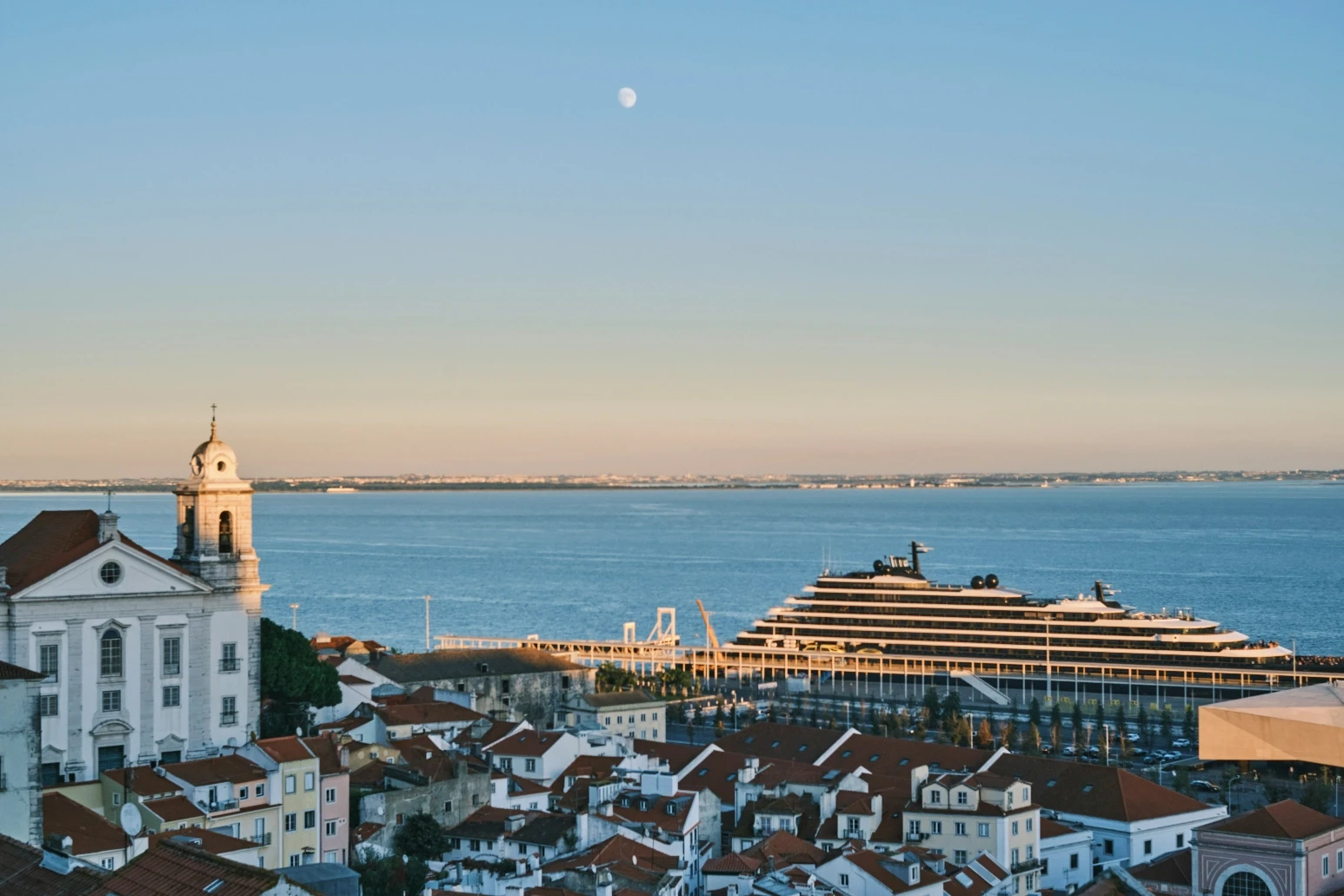
Some parts of Lisbon are best understood through landmarks. Alfama is better understood by walking.
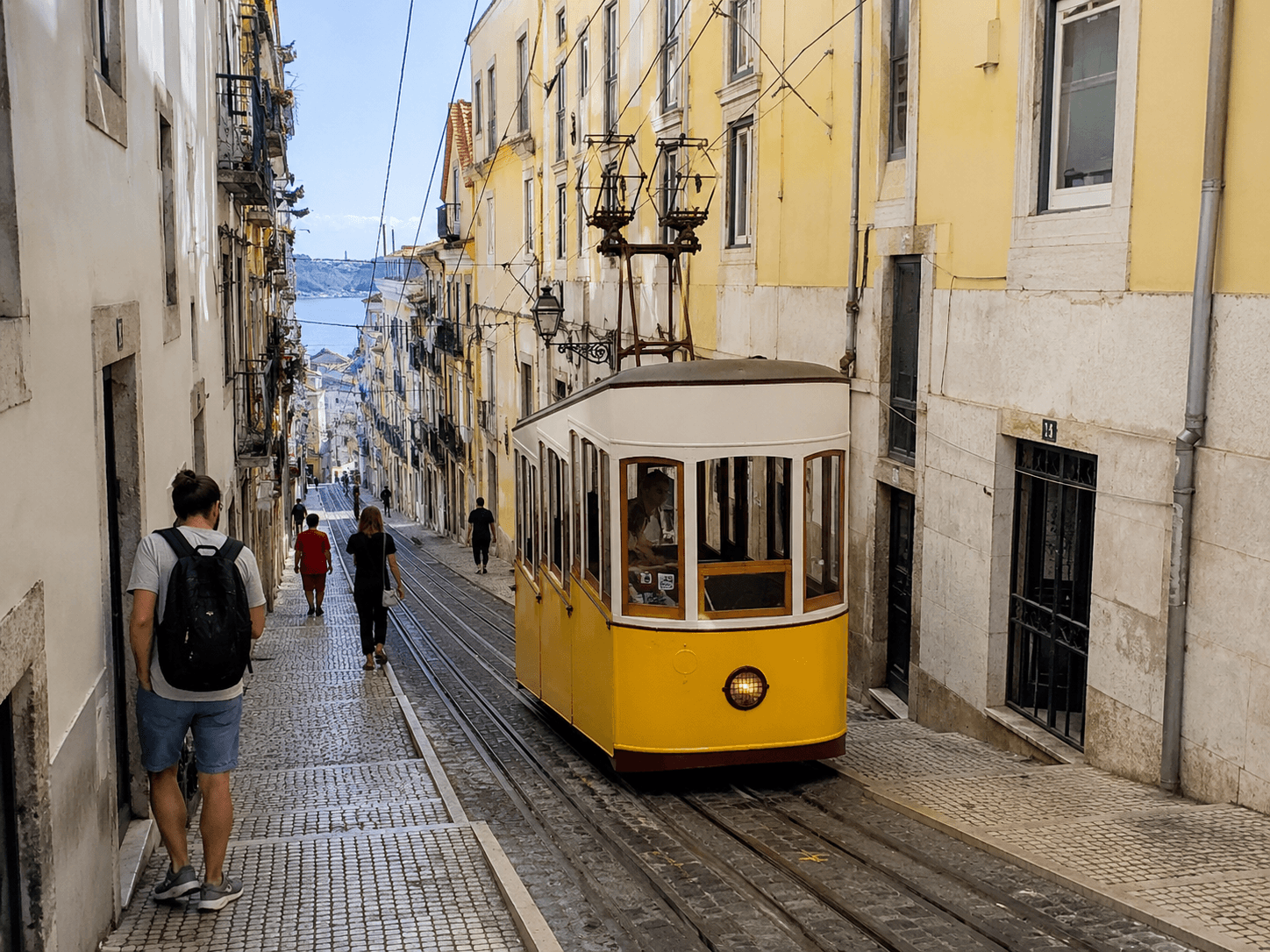
This is the city’s oldest neighbourhood, known for its steep lanes, tiled façades, small squares and viewpoints looking over the Tagus. It is one of the areas that gives Lisbon much of its identity, and one of the easiest places to recommend to first-time visitors who want to experience a more historic side of the city. Visit Lisboa describes Alfama as the oldest and most traditional neighbourhood in Lisbon, with steep streets that are best discovered slowly.
In this article, you will find the main places to see in Alfama, what makes each one worth visiting, and a practical route to help you explore the neighbourhood without trying to do too much in one go. If you are still planning your wider itinerary, this area also deserves a place on any list of what to visit in Lisbon.
Why Alfama is worth visiting
Alfama feels different from the rest of central Lisbon. While areas such as Baixa are more open and orderly, Alfama is made up of narrow streets, staircases, viewpoints and small corners that reveal themselves gradually. That is part of the appeal. It is a neighbourhood that rewards curiosity rather than speed.
It is also one of the best places to understand some of the city’s strongest traditions, from religious heritage and old architecture to everyday street life and fado. Even if you only spend a few hours here, Alfama usually ends up being one of the places people remember most.
Sé de Lisboa
The Lisbon Cathedral is one of the clearest starting points for an Alfama walk. It is one of the city’s most important historic landmarks, and its solid, fortress-like exterior immediately sets the tone for the neighbourhood around it.
Even if you do not do a full visit inside, it is worth stopping here before heading uphill. The area around the cathedral acts as a natural entrance into Alfama, where the flatter streets of central Lisbon start to give way to steeper lanes and older buildings.
Miradouro de Santa Luzia
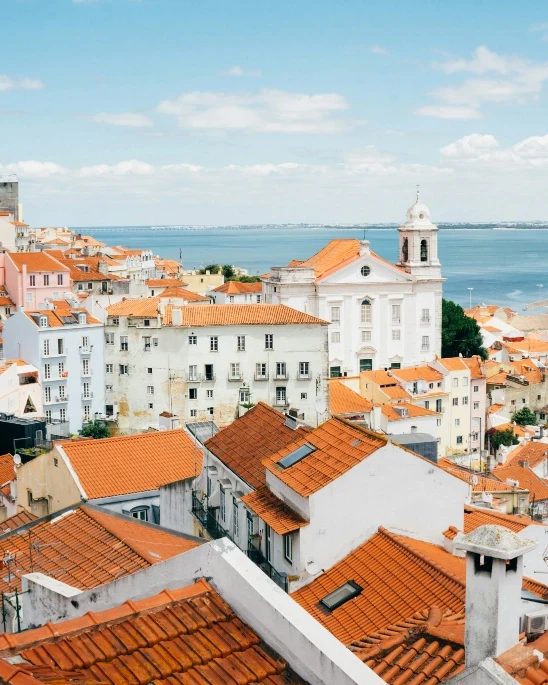
This is one of the most recognisable viewpoints in Lisbon, and one of the highlights of Alfama. The terrace looks out over rooftops, church towers and the river, with azulejo panels and shaded areas adding to the setting. It is popular for a reason, and it still feels worth it even when busy. For a broader roundup, it also deserves a place among the best viewpoints in Lisbon.
Morning is usually the best time to stop here if you want a calmer atmosphere. Later in the day, it can get crowded, especially in peak season, but the view remains one of the classic ones in the city.
Portas do Sol
Just a short walk from Santa Luzia, Portas do Sol offers another of Alfama’s essential viewpoints. The view opens more widely over the hillside and towards the Tagus, making it one of the best places to get a sense of the neighbourhood’s layout.
If Santa Luzia feels more intimate, Portas do Sol feels more open. Since the two are so close together, it makes sense to see both rather than choose between them.
Castelo de São Jorge
No guide to what to see in Alfama would be complete without Castelo de São Jorge. The castle sits above the neighbourhood and remains one of Lisbon’s major historic attractions. According to the official website, it is open daily, with seasonal opening hours and a small number of annual closure dates. The ticket also includes guided visits, and the castle offers access to walls, viewpoints and archaeological areas.
It is worth visiting not only for the history, but for the views and overall setting. If you go early, the experience is usually much more enjoyable, especially in warmer months or on weekends.
Igreja de Santo Estêvão
This is one of those places that many visitors come across almost by accident, which suits Alfama perfectly. The church sits above the neighbourhood and appears in many of the classic rooftop views of the area.
It is a quieter stop than the better-known viewpoints, but that is exactly why it works so well. The climb there takes you deeper into Alfama’s smaller streets, which are often just as memorable as the main landmarks.

Museu do Fado
If you want to understand Alfama beyond the views and streets, Museu do Fado is one of the best places to visit. The museum helps explain the role of fado in Lisbon through recordings, instruments, performers and exhibitions focused on the music’s cultural history. The museum’s official information states that it is open from Tuesday to Sunday, from 10am to 6pm, with last admission at 5:30pm.
This stop makes even more sense if you are planning to hear live music later in the day. For that, you can also check our guide on where to see fado in Lisbon.
National Pantheon
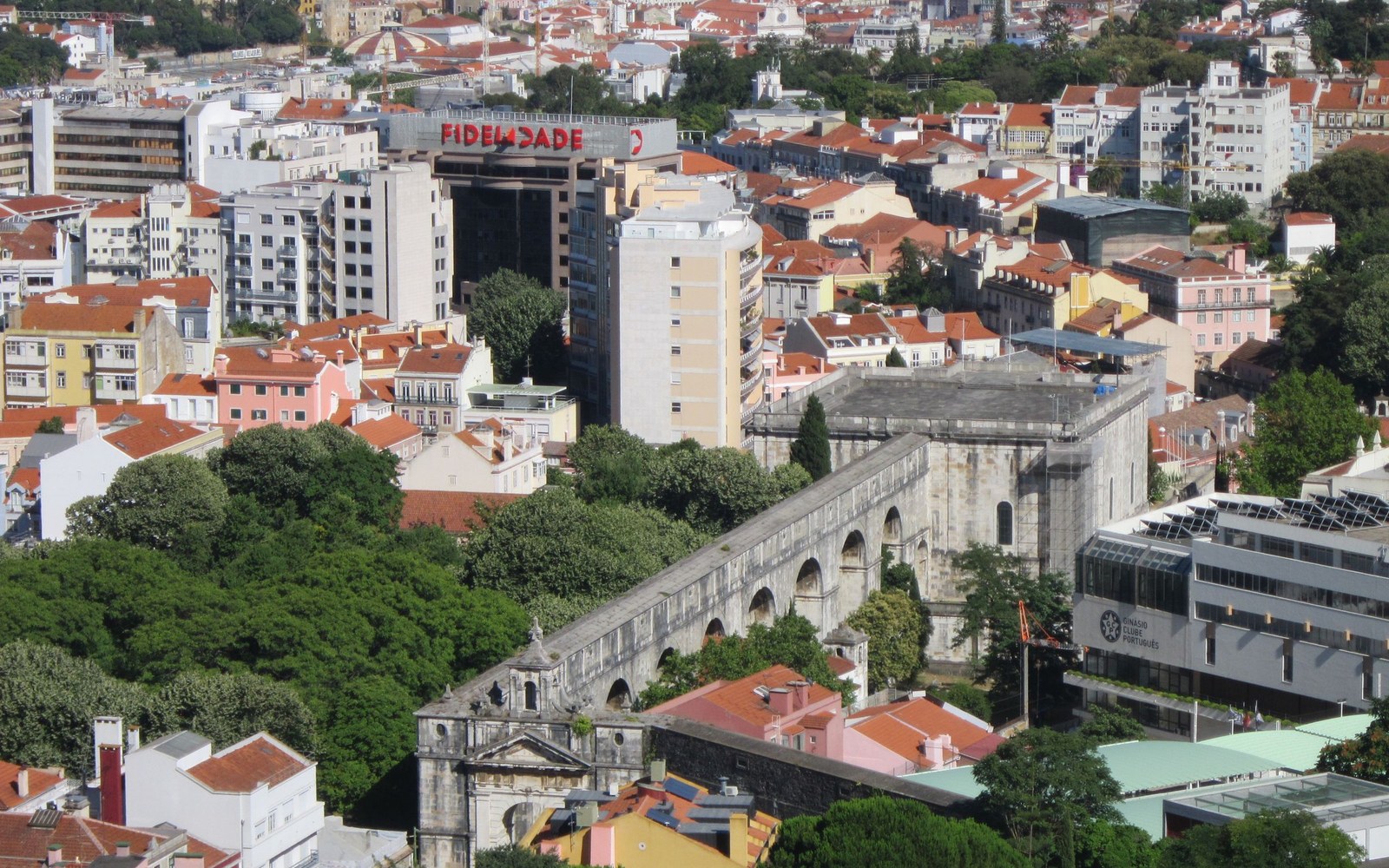
At the upper edge of the Alfama area, the National Pantheon is one of the most distinctive buildings on the Lisbon skyline. Its dome is visible from several viewpoints in the neighbourhood, and the building itself is worth seeing both from outside and inside.
The interior feels more spacious and monumental than most of Alfama, which creates a nice contrast with the tighter streets below. If you have time, it is a strong addition to the route, especially if you are already heading towards Campo de Santa Clara.
Feira da Ladra
If you are visiting on a Tuesday or Saturday, Feira da Ladra is well worth adding to your walk. Visit Lisboa confirms that Lisbon’s best-known flea market takes place in Campo de Santa Clara on those two days each week.
It is a good place to see a more informal and local side of the area. You will find antiques, second-hand objects, old prints, vinyl, curiosities and plenty of things that seem completely unnecessary until you suddenly want them.
São Vicente de Fora area
The São Vicente de Fora area works well as the final part of an Alfama route. It feels slightly more open than the centre of the neighbourhood and connects naturally with the Pantheon and Feira da Ladra.
If you have already done the viewpoints, cathedral and castle, this part helps round out the experience without repeating the same type of stop. It also tends to feel a little less crowded than the most photographed sections of Alfama.
The streets of Alfama
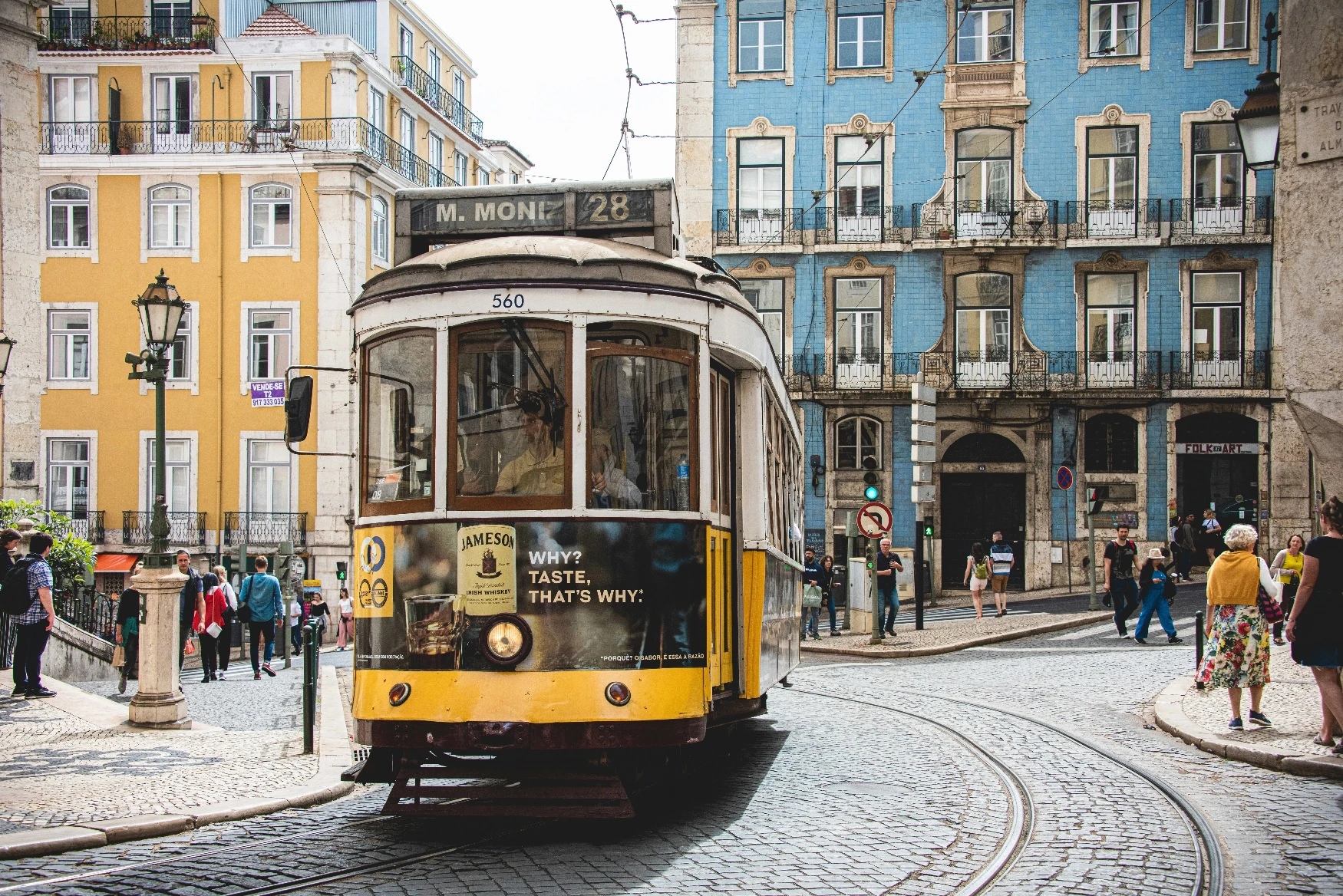
Some of the best things to see in Alfama are not listed on a ticket or marked on a map. They are the staircases, alleys, tiled buildings, laundry lines, small terraces and unexpected glimpses of the river between houses.
That is why Alfama works best when you do not rush it. Leave some room to wander. Take the longer route uphill. Pause when a street opens up into a view. The neighbourhood makes more sense when you experience it slowly.
A practical walking route through Alfama
For a first visit, this route works well:
Sé de Lisboa → Miradouro de Santa Luzia → Portas do Sol → Castelo de São Jorge → Igreja de Santo Estêvão → Museu do Fado → National Pantheon → Feira da Ladra / São Vicente de Fora
This gives you a good mix of major landmarks, viewpoints and quieter corners without trying to cram in too much.
Where to eat after sightseeing
Alfama is one of the best areas in Lisbon to slow down over lunch or dinner after walking the hills. There is a mix of traditional restaurants, small local spots and a few places with more polished views or fado atmosphere. If you want ideas nearby, have a look at our guide to the best restaurants in Alfama.
Practical tips before you go
Alfama is beautiful, but it is not the neighbourhood to explore in a hurry. Wear proper shoes, expect steep climbs and do not assume the quickest route is always the best one. If you are wondering how manageable Lisbon is on foot overall, our guide on is Lisbon walkable will help set expectations.
Morning is usually the best time to visit if you want softer light and fewer people. If you are going in summer, take water and start earlier than you think you need to.
Final thoughts
Alfama is one of the parts of Lisbon that people often remember most clearly after a trip. Not because it has only one major attraction, but because the whole neighbourhood feels like an experience in itself.
The viewpoints matter, the cathedral matters, the castle matters, and the museum adds useful context. But the real reason to come is the overall atmosphere of the place. Walk slowly, leave room for detours, and Alfama usually does the rest.
FAQ
1. What is the most famous thing to see in Alfama?
The best-known sights are Castelo de São Jorge, Miradouro de Santa Luzia, Portas do Sol and Sé de Lisboa.
2. Is Alfama worth visiting on a first trip to Lisbon?
Yes. It is one of the best neighbourhoods for first-time visitors because it combines history, viewpoints, atmosphere and local character.
3. How long do you need in Alfama?
Around half a day is ideal. That gives you enough time to see the main highlights and still enjoy the neighbourhood properly.
4. Is Alfama difficult to walk around?
It can be. The streets are steep, uneven and full of stairs in some sections, so comfortable shoes are strongly recommended.
5. When is the best time to visit Alfama?
Morning is usually the best time if you want fewer crowds and a more relaxed walk. Tuesday and Saturday are especially good if you want to include Feira da Ladra.
For accommodation nearby, compare our best hotels in Alfama.

Rafael Rocha
The Author
Having lived and studied in Lisbon for many years, a deep connection to the city grew naturally over time. Here I share practical guides and local recommendations to help you experience Lisbon better.
Buy me a coffee