When is the best time to visit Lisbon?
Wondering when to visit Lisbon? Here is the best time to go based on weather, crowds, festivals, sightseeing and the type of trip you want.
Lisbon works well in most seasons, but the best time to visit depends on the kind of trip you want. In broad terms, spring and early autumn are the best all-round times to visit Lisbon because temperatures are usually milder, rainfall is lower than in winter, and the city is generally easier to enjoy on foot than in peak summer heat. Lisbon’s long-term climate normals from IPMA show much lower rainfall in June, July, August and September than in the winter months, while recent travel and tourism guidance consistently points to spring and early autumn as the most balanced periods for weather and comfort.
That said, there is no single perfect month for everyone. June is one of the most atmospheric times to be in Lisbon because of the city’s festive calendar, July and August are best for long sunny days and beaches but come with more heat and heavier tourism pressure, and winter can still be a good choice if you want fewer crowds and lower-season city-break energy. Lisbon Airport handled 36.1 million passengers in 2025, which underlines how busy the city has become overall, especially around stronger travel periods.
Spring is the best all-round season
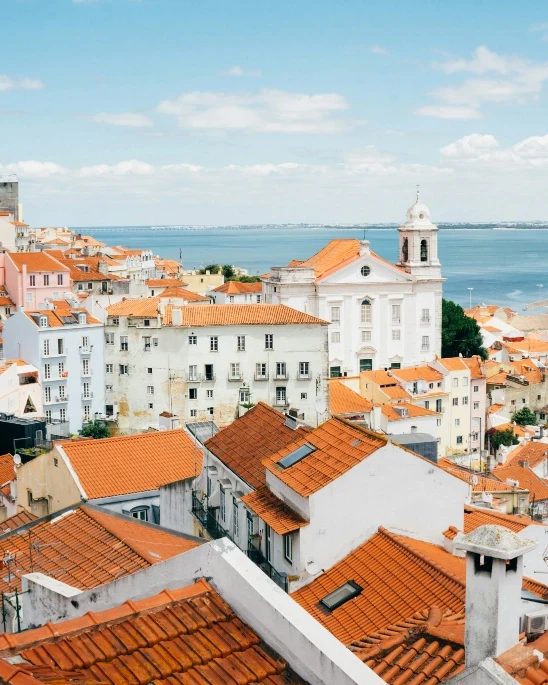
For most first-time visitors, March to May is the safest recommendation. Spring gives you good conditions for walking Lisbon’s neighbourhoods, using viewpoints properly and spending time outside without the harder heat of mid-summer. This is especially relevant in a city where hills and long uphill walks are part of the experience. IPMA’s Lisbon normals show rainfall dropping from winter into late spring, while average maximum temperatures rise into more comfortable sightseeing territory.
Late spring is usually the sweet spot within the season. April and May often give you the best balance of light, temperature and practicality, especially if your trip is focused on sightseeing rather than beaches. That is partly an inference from the climate data, but it is well supported by the pattern of lower rainfall and moderate temperatures before the summer peak.
June is best for atmosphere
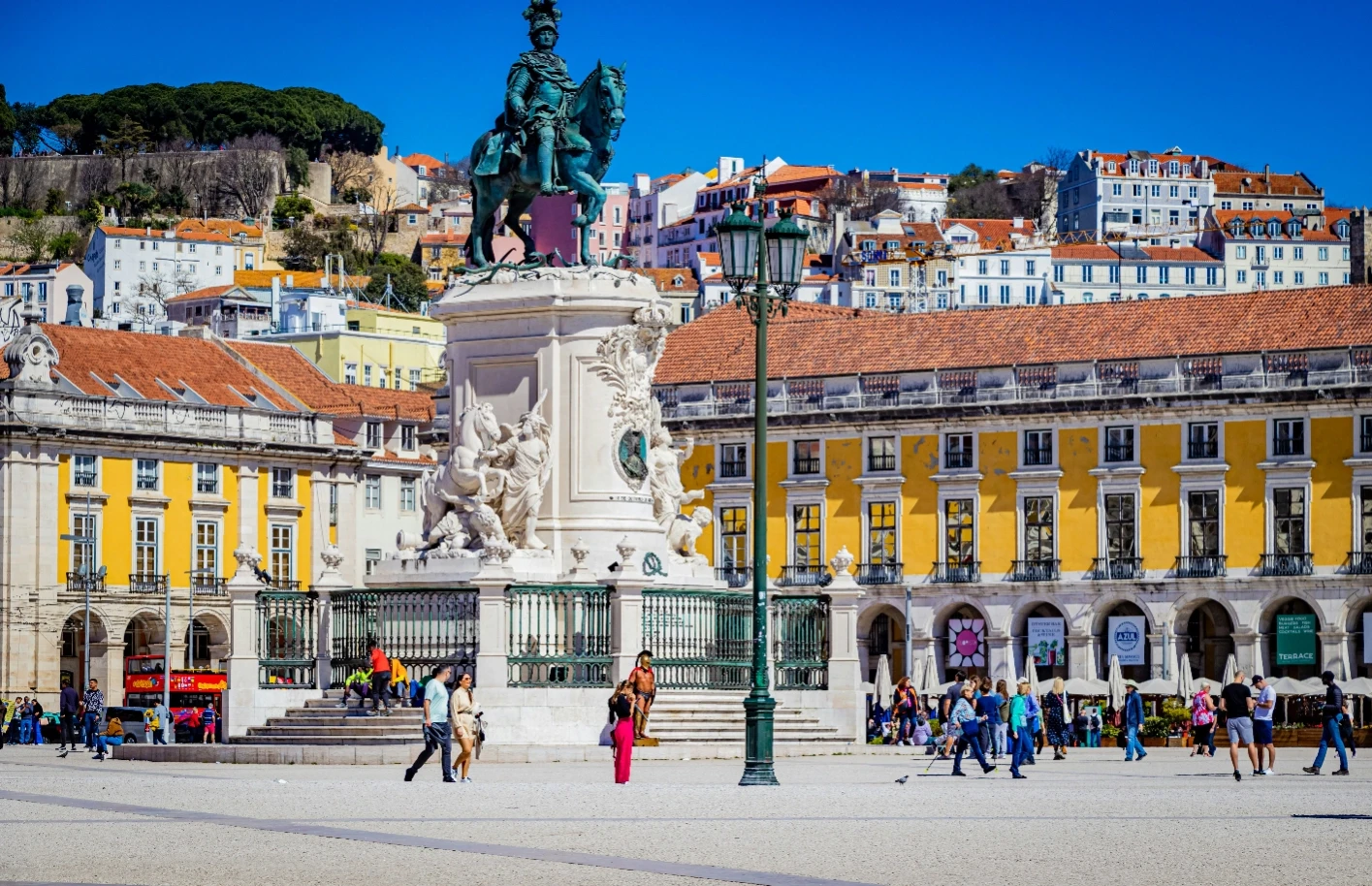
If you care as much about atmosphere as weather, June is one of the best months to visit Lisbon. This is when the city’s main festive calendar comes alive, especially around the Festas de Lisboa and the wider Santos period. Official tourism pages describe June as the main month of Lisbon’s festivities, with music, dancing and neighbourhood celebrations across the city.
This is an excellent time to visit if you want the city to feel lively and unmistakably Lisbon. The trade-off is that popular areas can feel busier, and accommodation pricing may reflect the demand. June is a great choice for energy and local atmosphere, but less ideal if you want the calmest version of the city.
Summer is best for long days, but not for everyone
July and August are the hottest and busiest months. They are great if you want long sunny days, late dinners, rooftop bars and easy beach add-ons, but they are not always the best months for walking-heavy city sightseeing. The summer rainfall figures in Lisbon are very low, especially in July and August, but recent guides also note that daytime temperatures can regularly exceed 30°C in peak summer.
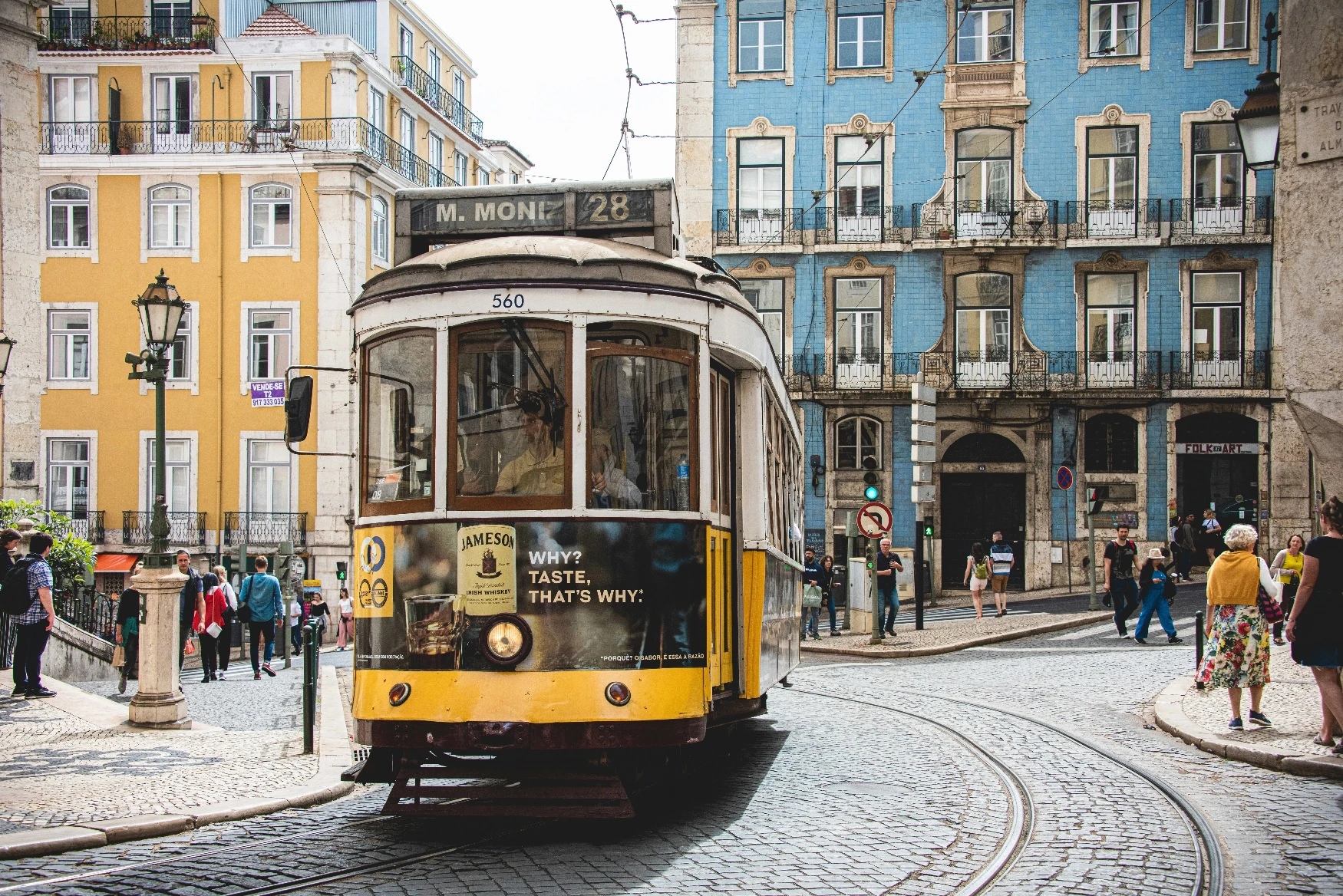
This matters more in Lisbon than in flatter cities. Even when distances look short on a map, the climbs can be tiring in strong heat. Summer makes sense if your trip is built around evening plans, riverfront time, rooftop drinks and slower daytime pacing. It makes less sense if your ideal city break means walking all day from neighbourhood to neighbourhood.
Early autumn is one of the smartest times to go
If you want strong weather with fewer downsides than peak summer, September and October are among the best months to visit Lisbon. Temperatures are still pleasant, the city usually remains very outdoor-friendly, and the heat is often easier to manage than in July and August. Recent travel guidance consistently highlights early autumn as one of the best periods for visitors who want good weather with a more manageable experience.
From a practical point of view, this is one of the strongest answers to the “best time to visit Lisbon” question. You still get outdoor terrace weather and long useful days, but the trip often feels less demanding than in peak summer. That conclusion is partly editorial, but it follows directly from the climate pattern and current travel guidance.
Winter is underrated if you want a quieter city break
November to February is the least reliable period for weather, but Lisbon winters are relatively mild by European capital standards. IPMA’s Lisbon climate normals show winter as the wettest period of the year, especially from October through January, but temperatures remain comparatively moderate.
Winter can still work very well if your goal is a quieter city break rather than perfect terrace weather. You may get rain, but you can also get bright winter days and a more relaxed version of the city. This is a good time for museums, food-focused trips and lower-pressure sightseeing, though it is less dependable if your plan is built around viewpoints, beaches and outdoor evenings every day.
So, when is the best time to visit Lisbon?
For most travellers, the clearest answer is:
Best overall: April, May, September and October
Best for atmosphere: June
Best for beaches and long days: July and August
Best for fewer crowds and a quieter city break: winter months, especially if you do not mind some rain
That recommendation is based on Lisbon’s climate normals, tourism seasonality and the city’s major June event calendar.
What matters most when choosing your timing
The best month depends on your priorities. If your trip is mainly about walking, viewpoints and neighbourhood exploring, spring or early autumn is usually best. If you want festivals and street atmosphere, choose June. If you want beaches, rooftops and hot weather, summer makes more sense. If you want a calmer trip with fewer crowds, winter can be a good option.
Lisbon is a city where weather affects the pace of the trip more than people sometimes expect. The hills, sunlight exposure and outdoor-heavy appeal all mean that the “best time” is not just about average temperatures. It is also about how comfortable the city feels to move around in. That last point is an inference, but it is a practical one grounded in the climate pattern and the city’s layout.
Final thoughts
If you want the safest all-round answer, go in late spring or early autumn. That is when Lisbon usually feels easiest to enjoy. June is the best choice if you want energy and local festivities, while summer works best for travellers who are happy to build their days around heat and longer evenings. Winter is less predictable, but not a bad choice at all for a quieter city break.
FAQ
1. What is the best month to visit Lisbon?
For most travellers, May or September are among the best months because they usually combine pleasant temperatures, lower rainfall than winter and more comfortable sightseeing conditions than peak summer.
2. Is Lisbon too hot in summer?
It can be. Recent travel guidance notes that summer daytime temperatures in Lisbon can regularly exceed 30°C, which can make walking-heavy sightseeing harder, especially in July and August.
3. Is June a good time to visit Lisbon?
Yes. June is one of the best months to visit Lisbon for atmosphere because it is the main month of the city’s festivities, including the wider Festas de Lisboa period.
4. What is the rainiest time of year in Lisbon?
According to Lisbon’s long-term climate normals from IPMA, the wetter months are in late autumn and winter, while summer is much drier.
5. Is winter a bad time to visit Lisbon?
Not necessarily. Winter is wetter and less reliable, but Lisbon remains relatively mild, and it can be a good time for a quieter city break with fewer crowds.

Rafael Rocha
The Author
Having lived and studied in Lisbon for many years, a deep connection to the city grew naturally over time. Here I share practical guides and local recommendations to help you experience Lisbon better.